
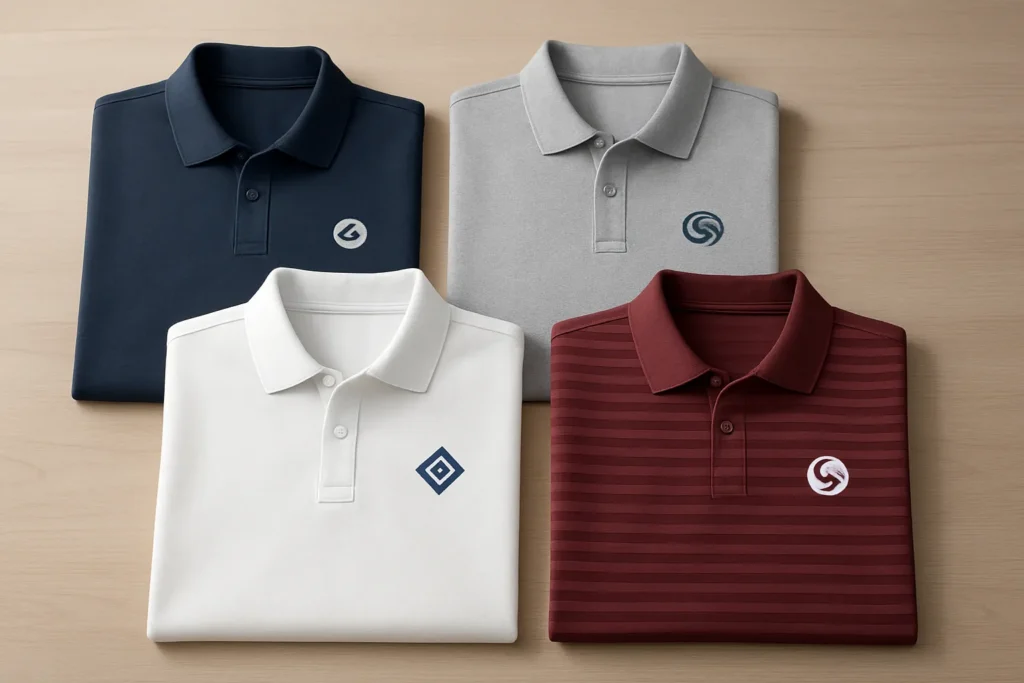
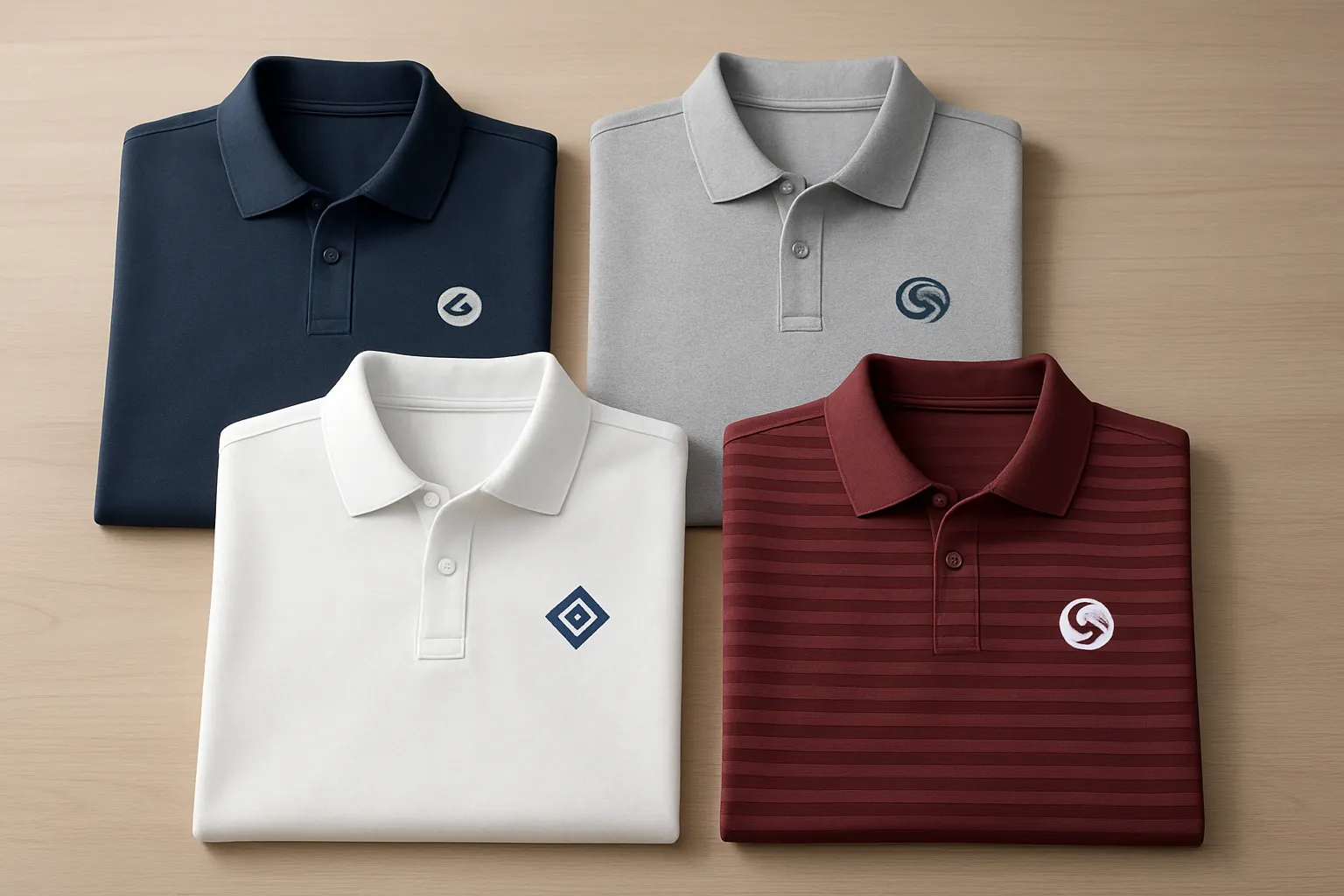
Custom shirts are personalized garments tailored specifically to meet the branding needs of a business. These shirts can showcase a company logo, feature specific colors, and incorporate unique designs that align with the overall brand identity. In today’s competitive market, having a strong business image is not just beneficial; it’s essential. Custom shirts play a vital role in enhancing that image. They serve not only as uniforms for employees but also as effective marketing tools that can significantly impact public perception and brand recognition. For more information on sourcing custom apparel, visit our Shirt Sourcing & Buying Guides – Haimao Blog.
Specifications of Custom Shirts
When considering custom shirts, businesses have a variety of specifications to choose from to ensure that the final product aligns with their vision.
- Material Options: The fabric is a fundamental aspect of custom shirts. Options range from cotton and polyester blends to moisture-wicking materials suitable for active environments. The choice of material can affect comfort, durability, and the overall aesthetic of the shirt.
- Design Customization: Businesses can tailor the design of custom shirts to reflect their brand. This includes selecting colors that match the company palette, adding logos, and incorporating slogans or taglines. In my experience, the design should resonate with the target audience while maintaining professionalism.
- Size and Fit Considerations: A well-fitting shirt is crucial for both comfort and appearance. Custom shirts can be made in various sizes and fits, ensuring that all employees feel confident and comfortable while representing the brand.
Use Cases for Custom Shirts
Custom shirts have a wide range of applications within a business context.
- Employee Uniforms: One of the most common uses for custom shirts is as employee uniforms. Uniforms foster a sense of belonging and professionalism among staff, while also making it easier for customers to identify employees in a retail or service environment.
- Promotional Events: Custom shirts can be a powerful tool during promotional events. By outfitting staff in branded shirts, businesses can create a cohesive look that enhances visibility and brand recall among attendees.
- Client Gifts: Custom shirts can also serve as thoughtful gifts for clients. A high-quality, branded shirt can leave a lasting impression, reinforcing positive associations with the brand and fostering loyalty.
Comparing Custom Shirts to Other Branding Methods
When evaluating branding strategies, custom shirts offer unique advantages compared to traditional advertising methods.
- Custom Shirts vs. Traditional Advertising: While traditional advertising methods such as print ads and billboards can be effective, they often lack the personal touch that custom shirts provide. Wearing branded apparel creates a tangible connection between the brand and its audience.
- Cost-Effectiveness Analysis: Custom shirts can be a cost-effective branding solution. Once the initial investment in design and production is made, the ongoing advertising benefits can be significant, as employees and customers alike wear the shirts repeatedly.
- Longevity and Impact: Unlike fleeting advertisements, custom shirts have a longer lifespan. They can be worn multiple times, ensuring that the brand remains visible over an extended period and reinforcing brand recognition.
Sourcing Custom Shirts
Finding the right supplier for custom shirts is critical to achieving the desired outcome.
- Finding Reliable Suppliers: Start by researching suppliers that specialize in custom apparel. Look for companies with a strong reputation and positive reviews from other businesses. For example, you can explore Wholesale Men’s Shirts Bulk Supplier, Low MOQ | Haimao for quality options.
- Evaluating Quality and Price: It’s essential to balance quality and cost. Request samples to assess fabric quality and printing techniques before making a bulk order. A higher upfront cost may lead to better durability and satisfaction in the long run.
- Minimum Order Quantities: Be aware of the minimum order quantities set by suppliers. Some companies may require larger quantities, which can impact budget considerations, especially for smaller businesses.
Implementation Strategies
Successfully integrating custom shirts into your business strategy involves careful planning.
- Designing Your Custom Shirt: Collaborate with a designer to create a shirt that reflects your brand identity. Ensure that the design is versatile enough to appeal to your target audience while remaining professional.
- Launching an Internal Campaign: Once the shirts are produced, launch an internal campaign to encourage employees to wear them. This can include incentives or competitions to promote enthusiasm.
- Measuring Impact on Business Image: After implementation, assess the impact of custom shirts on your business image. Gather feedback from employees and customers to evaluate how the shirts influence perceptions and brand recognition.
Frequently Asked Questions
- What are the benefits of custom shirts? Custom shirts enhance brand visibility, foster employee unity, and can serve as effective promotional tools.
- How to choose the right custom shirt supplier? Look for suppliers with a solid reputation, quality materials, and favorable customer reviews. Request samples to ensure the quality meets your standards.
- Can custom shirts improve employee morale? Yes, custom shirts can boost employee morale by fostering a sense of belonging and pride in their workplace, leading to improved productivity and job satisfaction.
Conclusion
Custom shirts are more than just clothing; they are a powerful branding tool that can significantly enhance your business image. With the right design, materials, and implementation strategies, custom shirts can foster a sense of unity among employees, promote brand recognition, and serve as effective marketing tools. Investing in custom shirts is a strategic move that can yield long-term benefits for your business. For further insights on the impact of custom shirts, check out this industry reference from AZoM.