
Why Composite Fabric Shirts Are Ideal for Durable Work Environments
Introduction to Composite Fabric Shirts
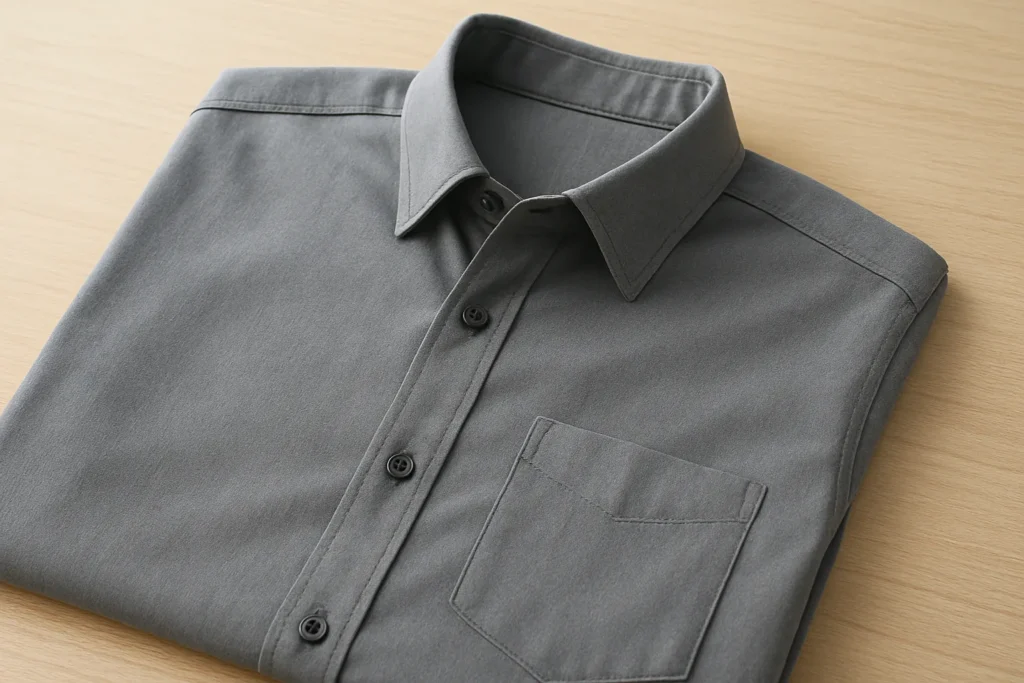
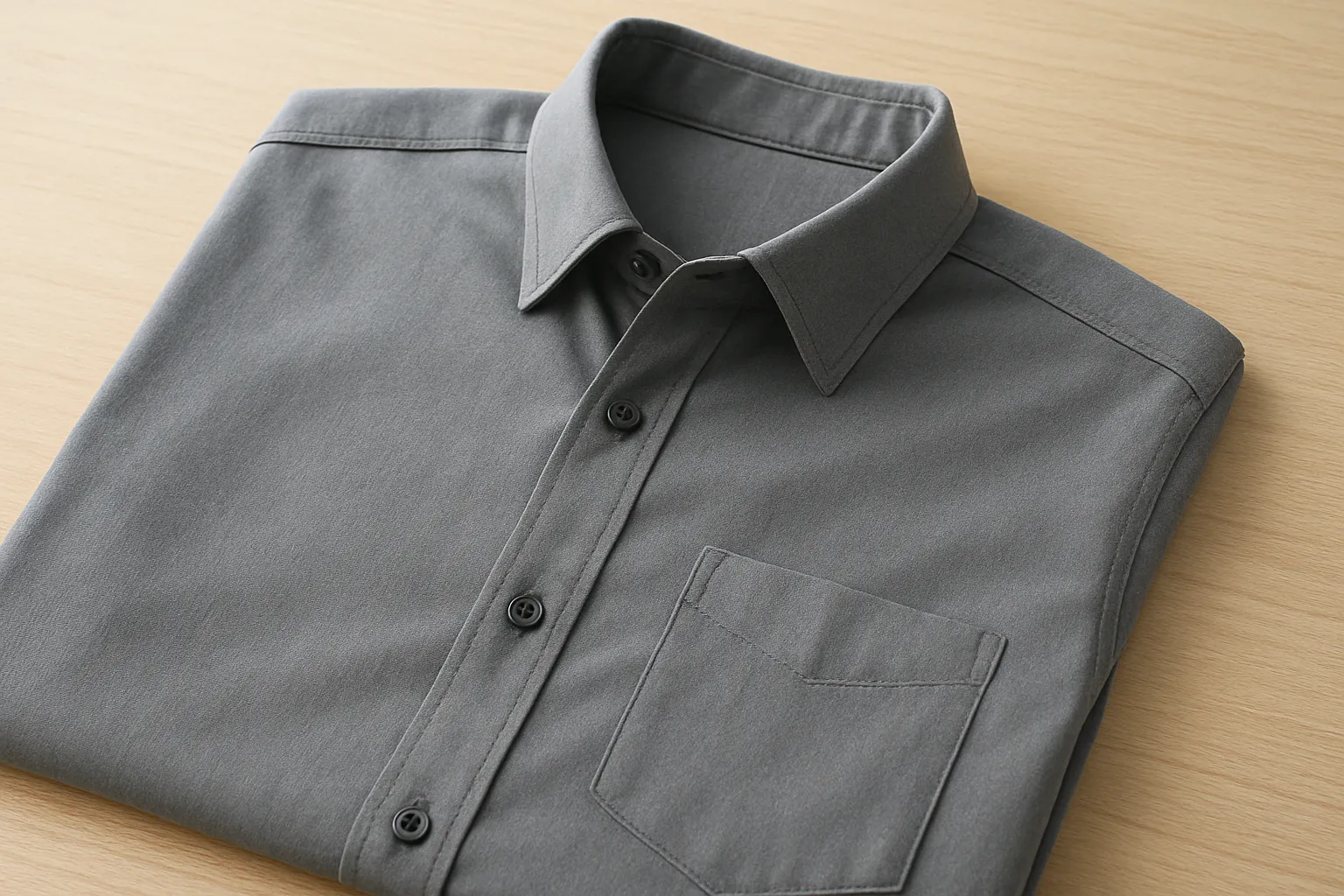
Composite fabric refers to a blend of various materials designed to enhance performance, durability, and comfort. These fabrics often incorporate synthetic fibers, natural fibers, and other materials to create a robust textile that withstands the rigors of demanding work environments. Composite fabric shirts are particularly popular in industries where durability is paramount, offering features that protect workers while ensuring comfort throughout the workday. Their ability to resist wear, tear, and environmental factors makes them an ideal choice for professionals who require reliable workwear. For more insights on sourcing high-quality workwear, check out our Shirt Sourcing & Buying Guides.
Key Specifications of Composite Fabric Shirts
**Material Composition**
Composite fabric shirts are typically made from a combination of polyester, nylon, cotton, and sometimes specialized fibers such as Kevlar or Nomex. This unique blend allows for enhanced strength and resistance to abrasions, while still providing breathability and moisture-wicking properties. The use of synthetic fibers ensures that the shirts maintain their shape and resist shrinking or fading over time.
**Performance Characteristics**
In addition to durability, composite fabric shirts often exhibit excellent performance characteristics. They are designed to be lightweight yet strong, allowing for ease of movement without compromising protection. Many of these shirts are also treated with water-repellent finishes and UV protection, making them suitable for outdoor work. Moreover, they frequently feature reinforced stitching and additional padding in high-wear areas to extend their lifespan.
**Safety Standards Compliance**
Work environments often require compliance with specific safety standards. Composite fabric shirts can be engineered to meet various regulations, such as those set by the Occupational Safety and Health Administration (OSHA) or the American National Standards Institute (ANSI). This compliance ensures that the shirts provide adequate protection against hazards, such as flames, chemicals, or electrical risks, depending on the industry requirements.
Use Cases in Various Work Environments
**Construction Industry**
In the construction sector, composite fabric shirts are invaluable. They protect workers from sharp objects, harsh weather conditions, and potential chemical exposure. The durability of these shirts ensures that they can withstand daily wear and tear while providing comfort during long hours on-site.
**Manufacturing Sector**
Manufacturing environments often involve heavy machinery and potential hazards. Composite fabric shirts offer the necessary protection from cuts and scrapes while ensuring that workers remain comfortable and agile. Their moisture-wicking properties help keep employees dry and focused, even in high-temperature settings.
**Outdoor and Field Work**
For outdoor workers, composite fabric shirts provide essential protection against the elements. Whether it’s extreme sun exposure or sudden rain, these shirts are designed to handle various weather conditions. Their lightweight nature allows for layering, making them versatile for changing climates.
Comparing Composite Fabric Shirts to Traditional Workwear
**Durability Comparison**
When compared to traditional cotton or polyester workwear, composite fabric shirts stand out in terms of durability. While traditional fabrics may wear out quickly under harsh conditions, composite fabrics are engineered to resist damage, making them a more reliable option for long-term use.
**Comfort and Flexibility**
Composite fabric shirts also offer superior comfort and flexibility. The blend of materials allows for greater stretch and movement, which is especially important in physically demanding roles. In contrast, traditional workwear can often feel restrictive and may not provide the same level of comfort during extended wear.
**Cost-Effectiveness Analysis**
While the initial investment in composite fabric shirts may be higher than that of traditional workwear, the long-term savings are significant. Their durability means fewer replacements, and the enhanced comfort can lead to increased productivity among workers. This cost-effectiveness makes them a smart choice for businesses looking to invest in quality workwear.
Sourcing Composite Fabric Shirts
**Identifying Reliable Suppliers**
When sourcing composite fabric shirts, it is crucial to identify reliable suppliers who specialize in industrial workwear. Look for manufacturers with a proven track record in producing high-quality, compliant garments. Reading reviews and seeking recommendations can also guide you to reputable sources. For more on choosing the right business shirts, visit How to Choose the Perfect Business Shirts for Your Corporate Team.
**Evaluating Product Quality**
Before making a purchase, evaluate the product quality by examining fabric samples, checking for certifications, and reviewing the manufacturing process. A good supplier should provide detailed information about the materials used and the safety standards met by their shirts.
**Bulk Purchase Considerations**
For businesses looking to outfit multiple employees, bulk purchasing can lead to significant savings. Many suppliers offer discounts for bulk orders, and it’s essential to negotiate terms that benefit your organization while ensuring that you receive high-quality products.
Implementation Strategies for Businesses
**Training Employees on Proper Use**
Implementing a new workwear policy requires training employees on the proper use and care of composite fabric shirts. This training should cover how to wear the shirts correctly, the importance of maintaining the garments, and the safety features they provide.
**Maintenance and Care Guidelines**
To maximize the lifespan of composite fabric shirts, businesses should provide clear maintenance and care guidelines. This includes washing instructions, storage recommendations, and tips for repairing minor damages, which can help maintain the integrity of the shirts.
**Integrating into Uniform Policies**
Finally, integrating composite fabric shirts into uniform policies can enhance brand image and promote safety within the workplace. Clear guidelines on when and how to wear these shirts will ensure compliance and foster a culture of safety and professionalism.
Frequently Asked Questions (FAQs)
**What are the benefits of composite fabric shirts?**
Composite fabric shirts offer enhanced durability, comfort, and protection against various workplace hazards, making them ideal for demanding environments.
**How do I choose the right size and fit?**
When selecting composite fabric shirts, refer to the manufacturer’s sizing chart and consider trying on samples to ensure a comfortable fit.
**Are composite fabric shirts environmentally friendly?**
Many manufacturers are increasingly focusing on sustainable practices, so it’s advisable to inquire about the environmental impact of the materials used in composite fabric shirts.
Conclusion
Composite fabric shirts represent a significant advancement in workwear, providing unparalleled durability and comfort for professionals in challenging environments. Their unique material composition, compliance with safety standards, and versatility make them an ideal choice for industries ranging from construction to manufacturing. By carefully sourcing and implementing these shirts into workplace policies, businesses can ensure the safety and satisfaction of their employees while making a cost-effective investment in quality workwear. For further technical insights, refer to this technical reference from Engineering360.