
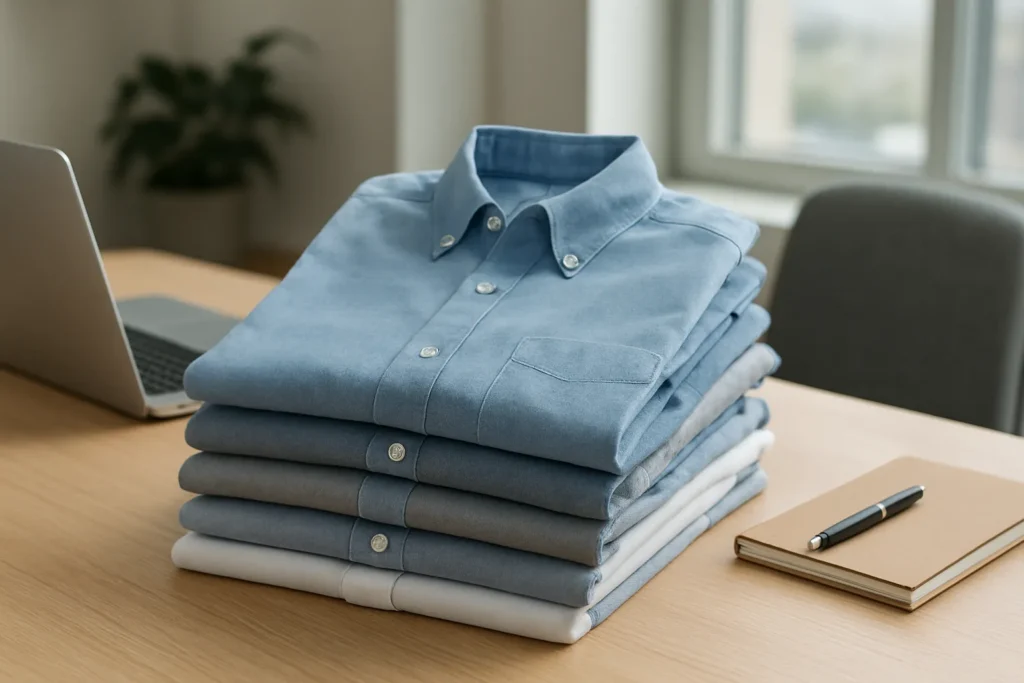
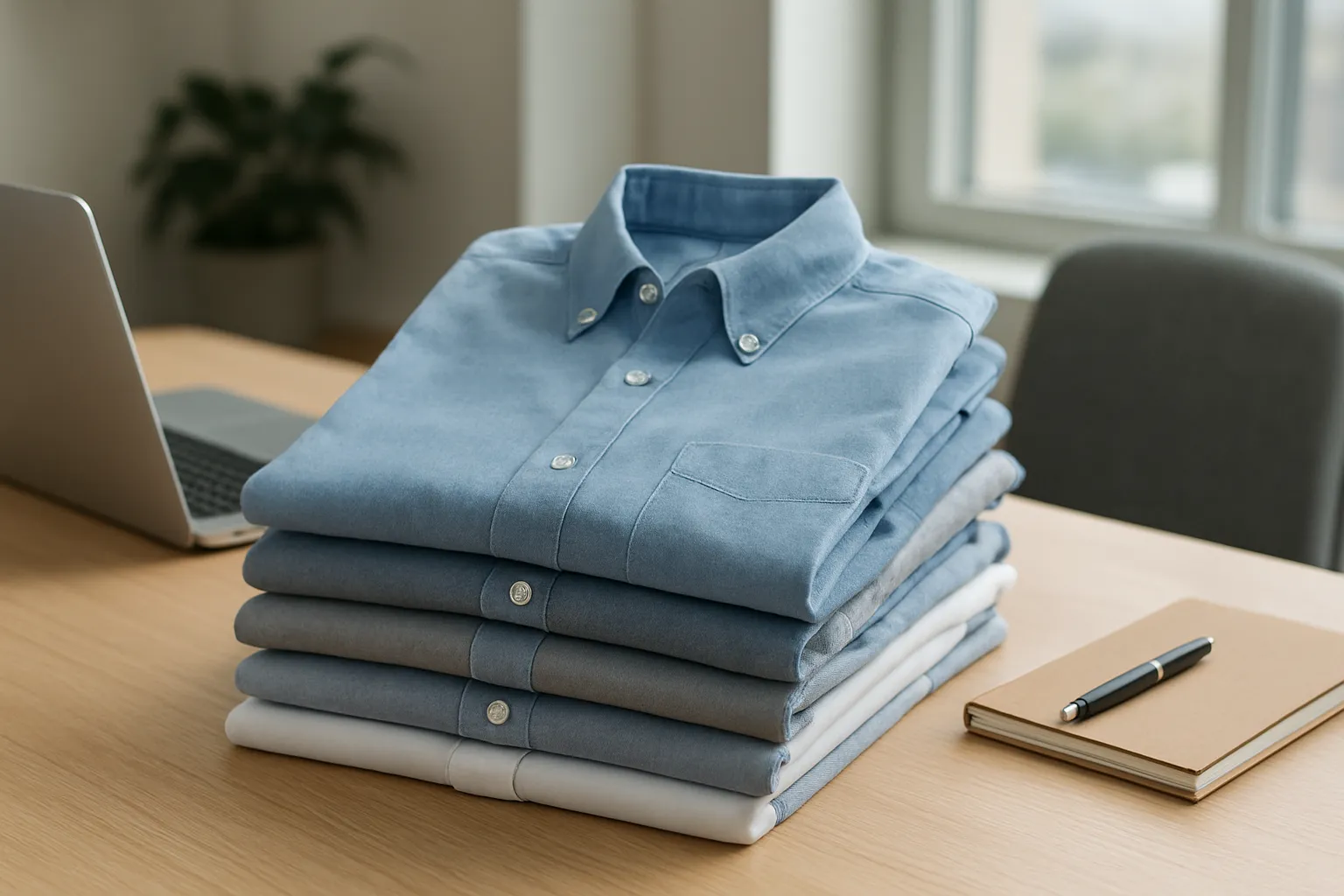
The Benefits of Casual Shirts for Employee Comfort and Productivity
1. Introduction to Casual Shirts
Casual shirts are versatile garments that have become increasingly popular in various workplace settings. Defined as less formal attire compared to traditional dress shirts, casual shirts often feature lighter fabrics, relaxed fits, and a range of styles that cater to personal expression. Their importance in the workplace cannot be overstated, as they strike a balance between professionalism and comfort, contributing significantly to employee satisfaction and engagement. For more insights on the significance of casual shirts, check out our article on Why Casual Shirts are Essential for a Relaxed Workplace.
2. Employee Comfort
When considering employee comfort, the choice of fabric and fit in casual shirts plays a pivotal role. Materials such as cotton, linen, and blends provide breathability and flexibility, allowing employees to move freely throughout their workday. A well-fitted casual shirt can enhance comfort levels, reducing distractions caused by restrictive clothing.
The impact of comfort on employee well-being is profound. Studies have shown that when employees feel at ease in their attire, they are less likely to experience stress or discomfort, which can lead to improved morale. Comfortable clothing, such as casual shirts, can foster a more relaxed atmosphere, encouraging collaboration and creativity among team members. According to an industry reference, the right clothing can significantly affect workplace dynamics.
3. Productivity Enhancements
The psychological effects of dress are well-documented, with research indicating that clothing can influence mood and behavior. Casual shirts promote a more relaxed state of mind, which can enhance focus and productivity. Employees dressed in comfortable attire are often more inclined to engage in their tasks with enthusiasm, leading to increased output.
Several case studies support these claims. For instance, organizations that adopted a casual dress code reported a marked improvement in productivity metrics. Companies noted that employees were more willing to participate in brainstorming sessions and collaborative projects when they felt comfortable in their clothing, highlighting the direct correlation between casual attire and workplace efficiency.
4. Comparison with Formal Attire
When weighing the benefits of casual shirts against formal attire, the balance between comfort and professionalism becomes a central theme. While formal clothing may convey a sense of authority and seriousness, it often comes at the expense of employee comfort. Many employees find formal attire restrictive, leading to decreased job satisfaction.
From a cost-effectiveness perspective, casual shirts also present a compelling argument. They typically require less investment than formal wear, allowing companies to allocate resources more efficiently. Furthermore, the longevity of casual shirts—often designed for durability—means that businesses can save money on replacements and maintenance over time.
5. Sourcing Casual Shirts
When sourcing casual shirts, businesses must consider the balance between quality and price. High-quality casual shirts can withstand the rigors of daily wear while maintaining their appearance, thus providing better value in the long run. Companies should prioritize suppliers who offer a range of styles and sizes to accommodate diverse employee preferences. For tips on sourcing, visit our Shirt Sourcing & Buying Guides – Haimao Blog.
Sustainable sourcing options are increasingly important in today’s market. Many consumers and companies are prioritizing eco-friendly practices, and sourcing casual shirts from sustainable manufacturers can enhance a company’s reputation and appeal. By choosing brands that prioritize ethical production, businesses can contribute positively to the environment while meeting employee needs.
6. Implementation Strategies
Transitioning to a casual dress code requires careful planning and communication. Companies should consider conducting surveys or focus groups to gauge employee sentiment before implementing such a change. Clear guidelines should be established to ensure that casual shirts align with the company’s brand and culture.
Employee feedback is crucial during this transition. By encouraging open dialogue about the new dress code, companies can adapt their policies to better meet the needs of their workforce. This collaborative approach not only fosters a sense of ownership among employees but also helps ensure a smooth implementation process.
7. Frequently Asked Questions
Are Casual Shirts Suitable for All Industries?
While casual shirts may not be appropriate for every industry, many sectors, including tech, creative fields, and even some corporate environments, have embraced casual attire. It’s essential to evaluate the company culture and client expectations when deciding on a dress code.
How to Maintain Casual Shirts?
Maintaining casual shirts is relatively straightforward. Regular washing, following care label instructions, and proper storage can prolong their lifespan. Encouraging employees to take care of their attire can further enhance the overall appearance and professionalism of the workplace.
Conclusion
In conclusion, casual shirts offer numerous benefits that enhance employee comfort and productivity. By prioritizing comfort through thoughtful fabric and fit choices, companies can foster a positive work environment that encourages engagement and creativity. As organizations continue to evolve, embracing casual attire can lead to significant improvements in morale and efficiency, making it a strategic choice for modern workplaces.