
How to Choose the Right Business Shirts for Your Corporate Team
Introduction to Business Shirts
In the world of corporate attire, the significance of selecting the right business shirts cannot be overstated. These garments serve not only as a uniform but also as a representation of your brand’s values and professionalism. The right business shirts can enhance team cohesion, foster a sense of belonging, and project a polished image to clients and partners. As corporate attire trends continue to evolve, understanding how to choose the right shirts for your corporate team is essential for maintaining a modern and professional appearance.
Key Specifications to Consider
When selecting business shirts, there are several key specifications to keep in mind:
– **Fabric Types and Their Benefits**: The fabric of a business shirt plays a crucial role in comfort and durability. Common materials include cotton, polyester, and blends. Cotton is breathable and soft, making it ideal for warmer climates, while polyester offers wrinkle resistance and durability. Blended fabrics combine the benefits of both, providing comfort and ease of care.
– **Fit and Style Options**: Business shirts come in various fits, including slim, regular, and relaxed. The fit should align with your team’s preferences and the overall brand image. Additionally, styles such as button-down, spread collar, or mandarin can convey different levels of formality.
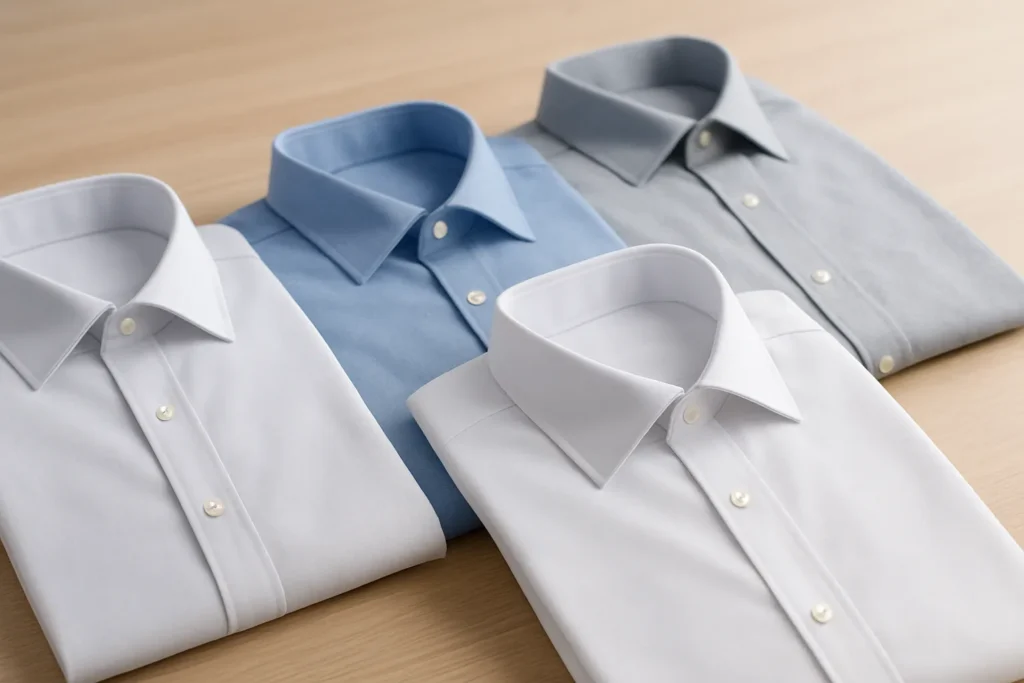
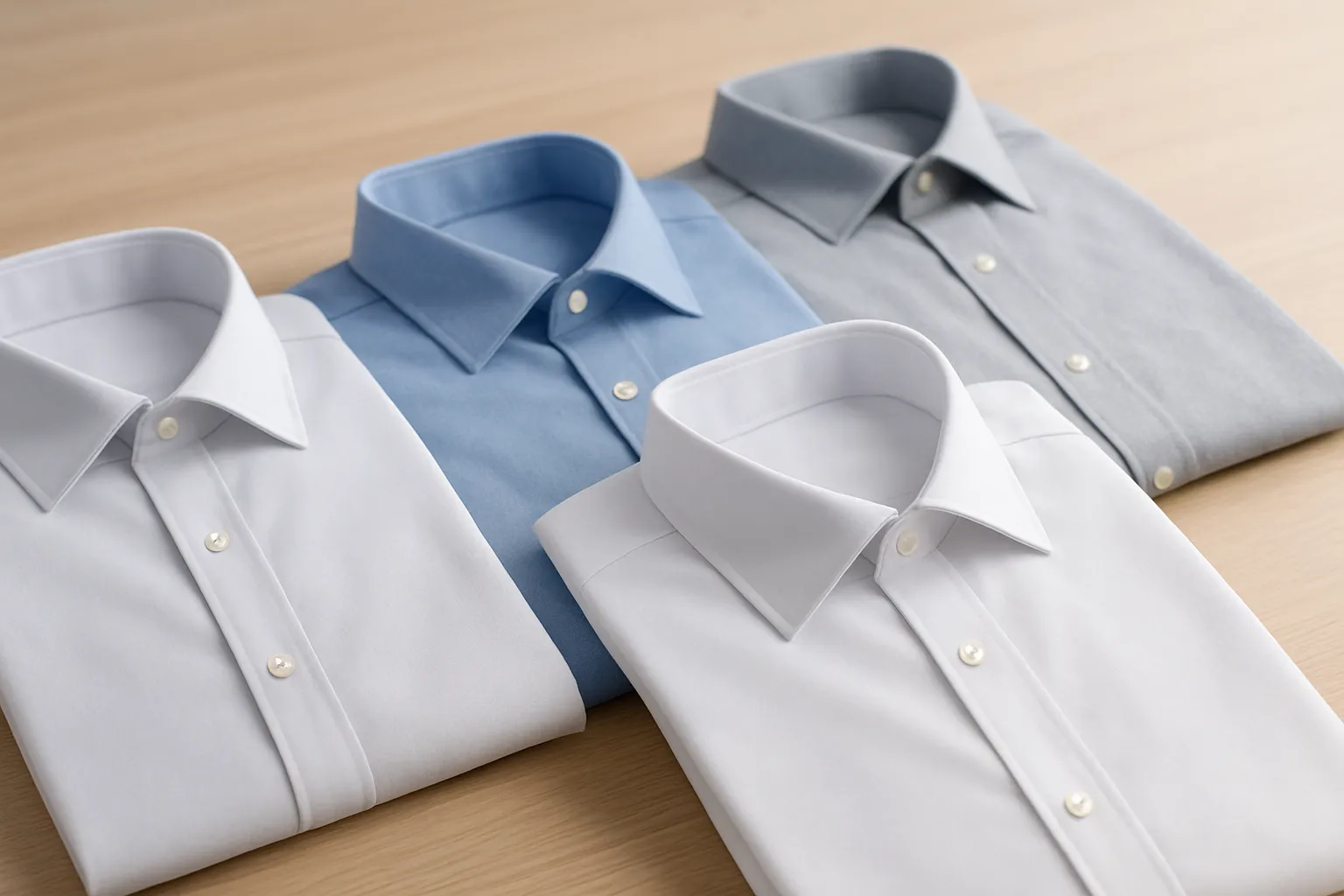
– **Color and Branding Considerations**: The color of business shirts should reflect your corporate identity. Neutral shades like white, blue, and gray are versatile, while brighter colors can be used to make a statement. Consider incorporating your company logo through embroidery or printing to enhance brand visibility.
Use Cases for Business Shirts
Understanding the context in which business shirts will be worn is vital:
– **Formal vs. Casual Settings**: Different business environments require different levels of formality. For formal meetings or events, tailored shirts in classic colors are appropriate, while casual Fridays may allow for more relaxed styles and colors.
– **Seasonal Considerations**: The season can influence fabric choice and shirt style. Lighter fabrics are preferable in summer, while heavier materials may be more suitable for winter months.
– **Industry-Specific Needs**: Certain industries may have specific requirements for business shirts. For example, tech companies may embrace a more casual look, while finance or law firms may adhere to traditional business attire.
Comparing Different Brands and Styles
With numerous brands and styles available, it’s essential to evaluate your options carefully:
– **Popular Brands in the Market**: Leading brands such as Brooks Brothers, Ralph Lauren, and Uniqlo offer a range of business shirts catering to different tastes and budgets. Researching brand reputation can help ensure quality.
– **Price Range and Quality Assessment**: Business shirts can vary significantly in price. While it may be tempting to opt for cheaper options, investing in higher-quality shirts can lead to better durability and comfort, ultimately saving money in the long run.
– **Customer Reviews and Feedback**: Before making a purchase, read customer reviews to gain insights into fit, comfort, and durability. Feedback from other businesses can provide valuable information on which shirts perform best in a corporate setting.
Sourcing Business Shirts
Once you’ve identified the right specifications, it’s time to consider sourcing:
– **Wholesale vs. Retail Options**: Buying in bulk through wholesale suppliers can be cost-effective, especially for larger teams. Retail options may offer more variety but can be pricier. For more information on sourcing, check out our Shirt Sourcing & Buying Guides.
– **Online vs. In-Store Purchasing**: Online shopping provides convenience and often a broader selection. However, in-store shopping allows for immediate fitting and tactile assessment of fabric quality.
– **Customization and Embroidery Services**: Customization options, such as embroidery of your company logo, can enhance brand identity. Many suppliers offer these services, making it easier to create a cohesive look for your team.
Implementation in the Workplace
Once you have sourced your business shirts, effective implementation is key:
– **Size Selection and Fitting Sessions**: Organizing fitting sessions ensures that each team member receives a shirt that fits well. Providing a size guide can help streamline this process.
– **Establishing a Dress Code Policy**: A clear dress code policy can help set expectations for business attire. This policy should outline acceptable styles, colors, and any specific guidelines related to business shirts.
– **Employee Feedback and Adjustments**: After the initial rollout, gather feedback from employees regarding comfort and fit. This input can help make necessary adjustments and improve future orders.
Frequently Asked Questions
– **How to Care for Business Shirts?**: Proper care extends the life of business shirts. Most shirts can be machine washed; however, always check the care label for specific instructions. Ironing may be necessary for a crisp appearance.
– **What is the Return Policy for Bulk Orders?**: Return policies can vary by supplier. Always clarify the return and exchange policy before placing a bulk order to avoid complications later.
– **How to Handle Size Discrepancies?**: In cases of size discrepancies, refer to the supplier’s return policy. Having a fitting session prior to ordering can minimize this issue.
Conclusion
Choosing the right business shirts for your corporate team involves careful consideration of fabric, fit, style, and brand identity. By understanding the specific needs of your industry and team, you can make informed decisions that enhance your professional image. Implementing a thoughtful sourcing and fitting process will ensure that your team not only looks good but feels confident in their attire. Investing in quality business shirts is an investment in your brand’s future. For further insights, you can refer to this industry reference on business shirts.