
The Rise of Casual Shirts in the Modern Workplace
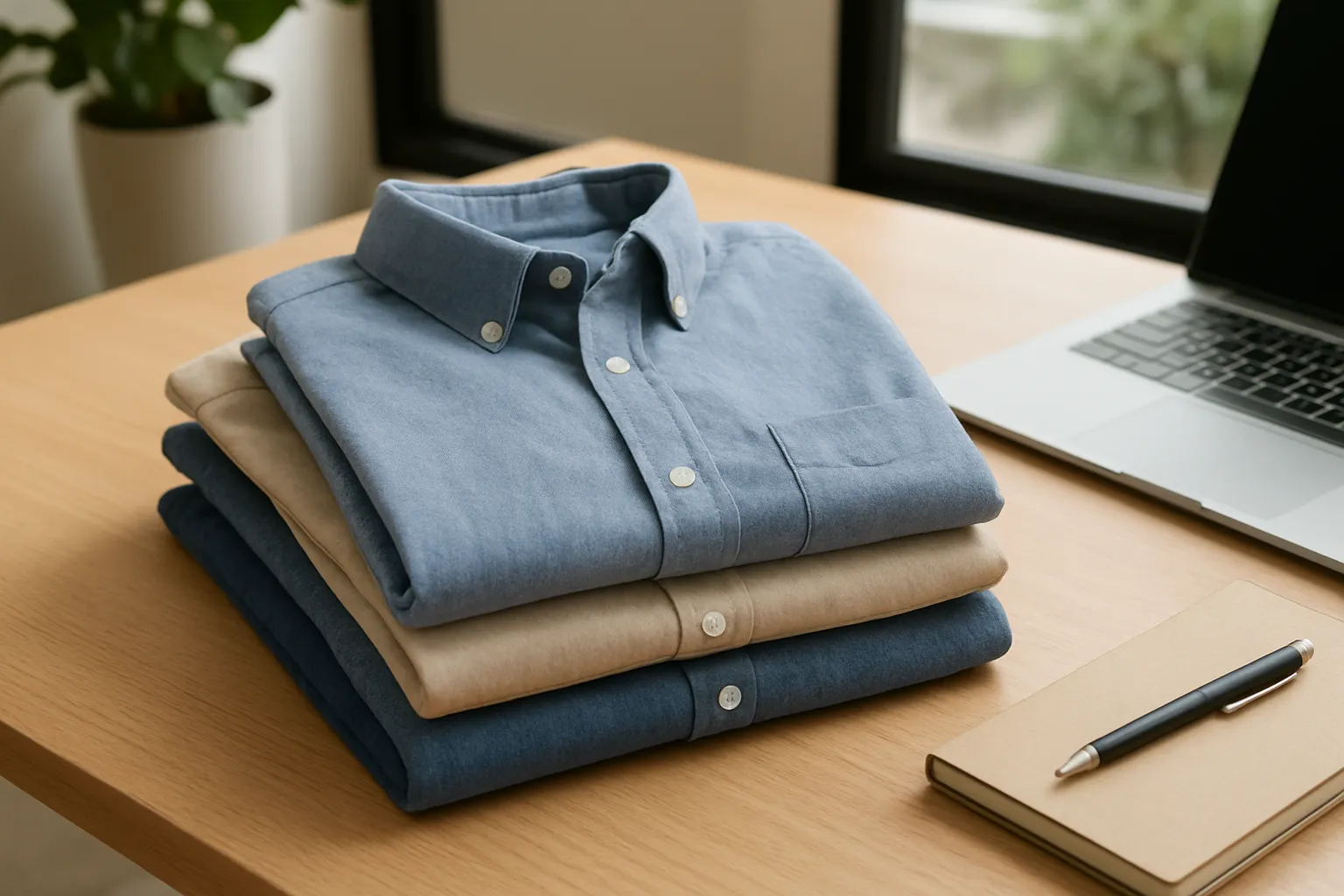
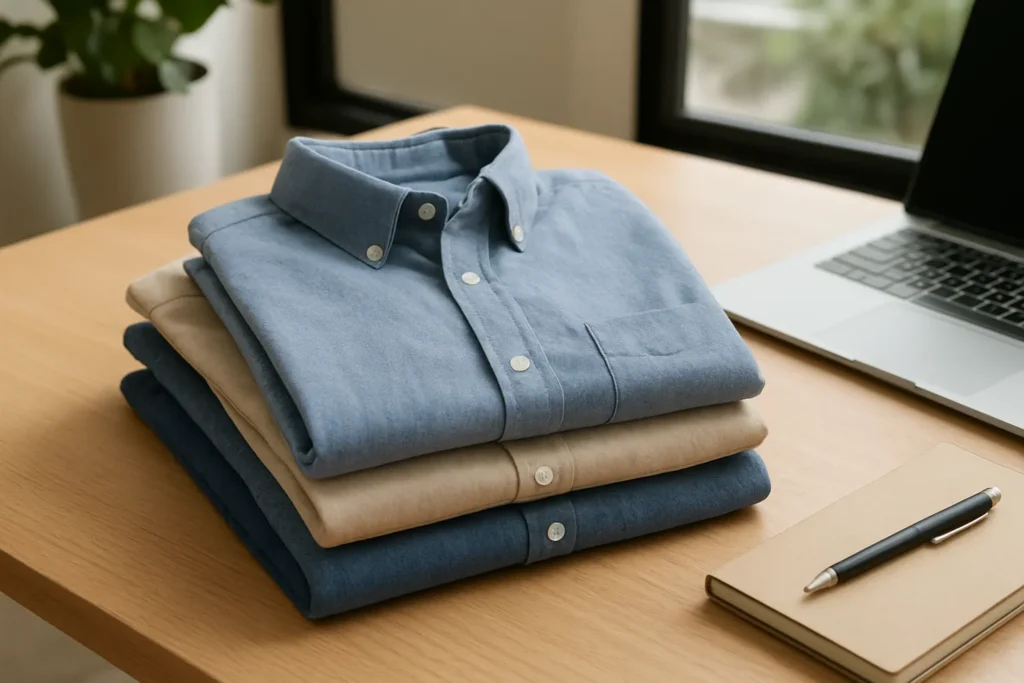
As the modern workplace continues to evolve, so too does the concept of professional attire. In my experience, gone are the days when employees were expected to wear formal suits and ties every day. Instead, casual shirts have emerged as a staple in many office environments, reflecting a significant shift towards a more relaxed and comfortable workplace culture. This article explores the importance of casual shirts and how they contribute to a positive work atmosphere while maintaining professionalism.
Specifications of Casual Shirts
Casual shirts come in various specifications that cater to different preferences and needs. Understanding these can help organizations make informed choices.
- Fabric Types and Comfort: Typically made from breathable materials such as cotton, linen, or blends, casual shirts prioritize comfort without sacrificing style. The lightweight nature of these fabrics allows for ease of movement. This makes them ideal for long workdays.
- Fit and Style Variations: Casual shirts are available in various fits, including slim, regular, and relaxed. This variety ensures that employees can choose a style that flatters their body type while feeling comfortable. Additionally, options such as button-downs, short sleeves, and long sleeves provide flexibility for different occasions.
- Color Options and Patterns: The versatility of casual shirts extends to their colors and patterns. From solid hues to checks and stripes, employees can express their individuality while adhering to workplace standards. This variety also allows for easy coordination with other wardrobe pieces.
Use Cases for Casual Shirts
Casual shirts are not just for everyday wear; they serve multiple purposes in the workplace.
- Casual Fridays and Company Culture: Many organizations implement Casual Fridays to foster a more relaxed and engaging company culture. Employees look forward to this day, as it allows them to showcase their personal style while still being part of a professional environment.
- Client Meetings and Networking Events: Depending on the industry, casual shirts can be appropriate for client meetings and networking events. They provide a balance between professionalism and approachability, making it easier to build rapport with clients and colleagues.
- Team Building Activities and Casual Gatherings: Casual shirts are perfect for team-building activities or informal gatherings. They allow employees to feel comfortable and at ease while engaging with their peers. This comfort can enhance communication and collaboration.
Comparisons with Formal Attire
Understanding the differences between casual shirts and formal attire can help organizations make informed decisions about their dress codes.
- Casual Shirts vs. Dress Shirts: While dress shirts are often associated with formal business settings, casual shirts offer a more relaxed alternative. They can be styled to maintain a professional appearance while allowing for greater comfort.
- Benefits of Casual Attire in the Workplace: Adopting casual attire can lead to increased employee satisfaction and morale. When employees feel comfortable in their clothing, they are likely to be more productive and engaged.
- Employee Preferences and Satisfaction: Surveys indicate that employees prefer a more casual dress code. This preference allows them to express their personality and reduces the stress associated with formal attire. This can lead to higher job satisfaction and lower turnover rates.
Sourcing Casual Shirts
For companies looking to implement casual shirts as part of their dress code, sourcing is a critical step.
- Recommended Suppliers and Brands: There are numerous suppliers and brands that specialize in high-quality casual shirts. Companies like Uniqlo, Lands’ End, and J.Crew offer a range of options that cater to various budgets and preferences. For bulk purchasing, consider Haimao, a reputable men’s shirt manufacturer.
- Bulk Purchasing Considerations: When sourcing casual shirts, organizations should consider bulk purchasing options to save on costs. Many suppliers offer discounts for bulk orders. This makes it a cost-effective solution for outfitting a team.
- Customization Options for Branding: Customization can enhance brand identity. Companies can opt for embroidered logos or tailored designs to ensure their casual shirts align with their branding strategy.
Implementation in the Workplace
Successfully integrating casual shirts into the workplace requires careful planning and communication.
- Guidelines for Dress Codes: Establishing clear guidelines for casual attire is essential. Organizations should communicate what is considered appropriate casual wear to avoid ambiguity and ensure professionalism.
- Transitioning from Formal to Casual Attire: Transitioning from a formal dress code to casual attire should be approached gradually. This allows employees to adjust to the new expectations and provides an opportunity for feedback.
- Employee Feedback and Adaptation: Gathering employee feedback during the transition can help organizations refine their dress code policies. Open communication fosters a sense of inclusion and ensures that the new policies align with employee preferences.
FAQs about Casual Shirts
- What are the Best Fabrics for Casual Shirts?: Cotton and linen are popular choices for casual shirts due to their breathability and comfort. Blends can also provide added durability.
- How to Maintain and Care for Casual Shirts?: Regular washing and proper storage are essential for maintaining casual shirts. Following care labels can help preserve fabric integrity and appearance.
- Are Casual Shirts Appropriate for All Industries?: While casual shirts are suitable for many industries, it’s essential to consider the company’s culture and client expectations. Some sectors may still require more formal attire.
Conclusion
In conclusion, casual shirts are essential for fostering a relaxed workplace environment. They offer comfort, versatility, and a means for employees to express their individuality while maintaining professionalism. As companies continue to embrace a more casual approach to workplace attire, the benefits are clear—enhanced employee satisfaction, improved culture, and increased productivity. I believe that embracing casual shirts may just be the key to a thriving workplace.